Engaging Lunetters in sustainable eating
UCU students define the main challenge of their Community Engaged Learning project

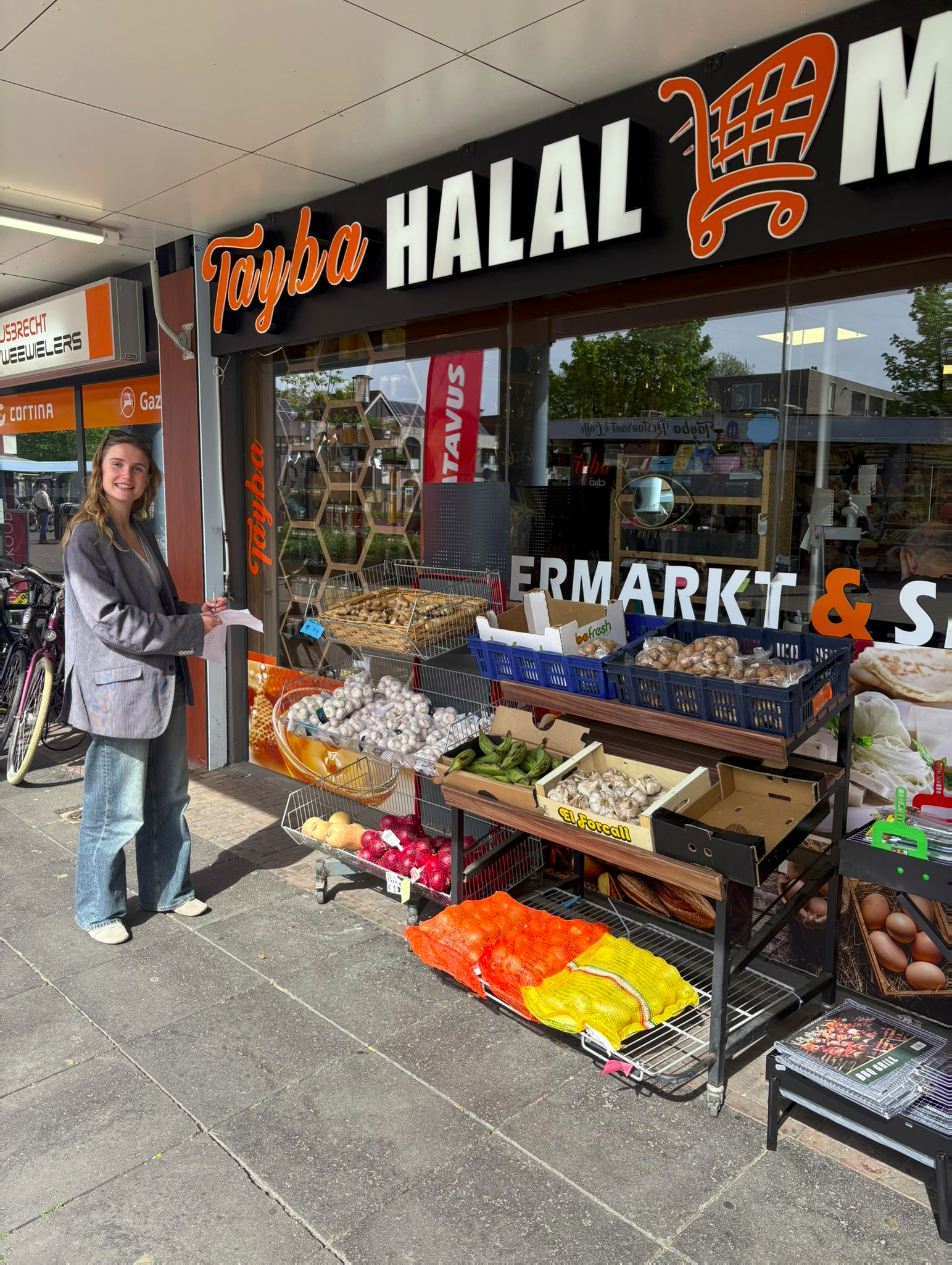
This week marked an important step forward in our Duurzaam Utrecht 2030 project. After spending the first weeks observing the neighbourhood and gathering information, we began focusing on how our research could translate into concrete action. Three moments shaped our thinking this week: our Tuesday class discussion, attending the community dinner in Lunetten, and participating in a brainstorming session.
During Tuesday’s class, we focused on defining the main challenge for the next phase of the project. We reflected on an important question: who should our project focus on within the Lunetten community?
Lunetten is a very diverse neighbourhood, and residents have different attitudes toward sustainable food. Some people are already interested in sustainability but lack information or practical tools, while others see it as too expensive or complicated. This raised a key dilemma: should we support those who are already motivated, or try to engage residents who are less aware of the issue? At the same time, we want the project to remain participatory by involving residents and allowing their perspectives to shape the initiative. This also means finding effective ways to reach people, possibly by connecting with existing local initiatives and networks.
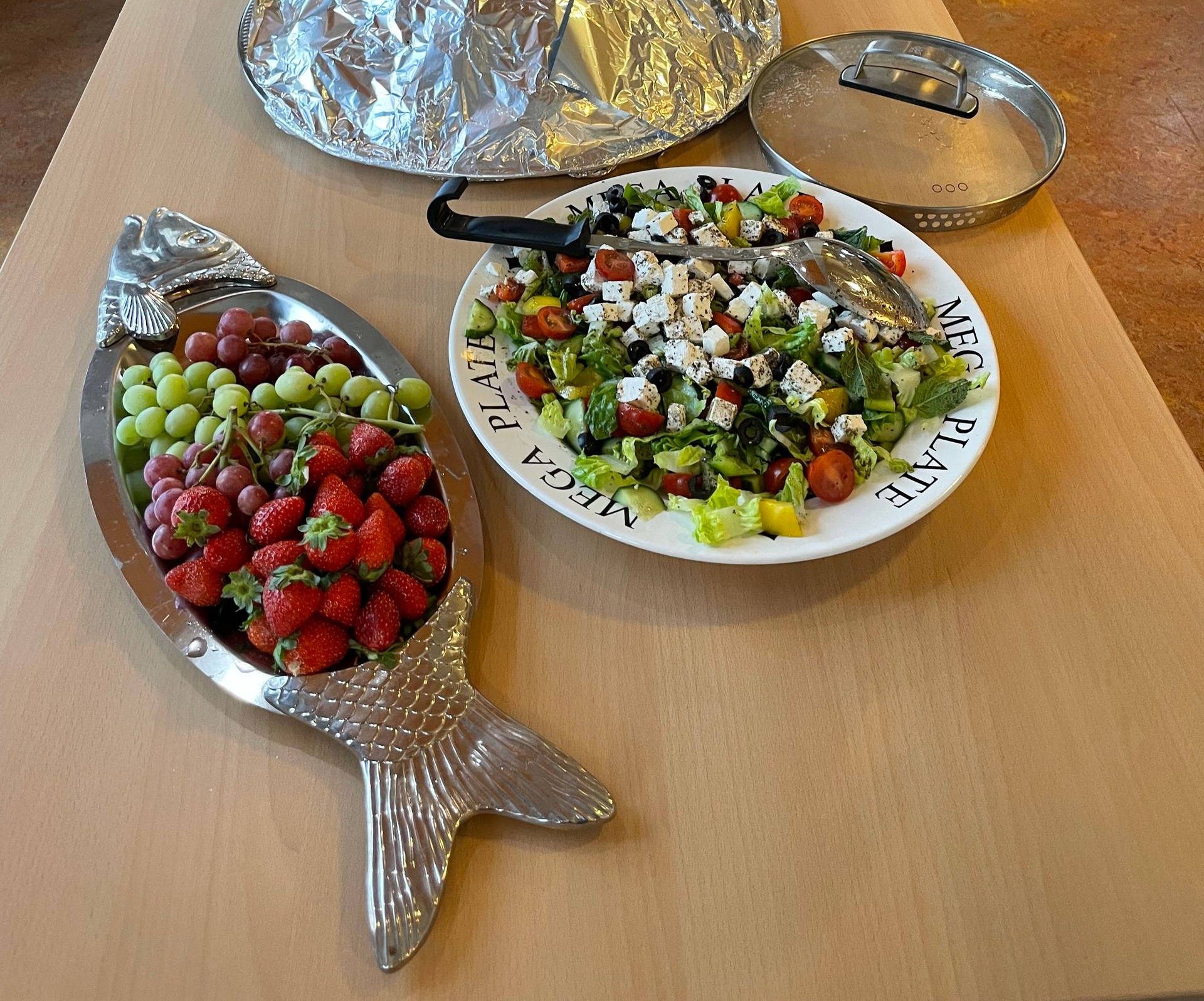
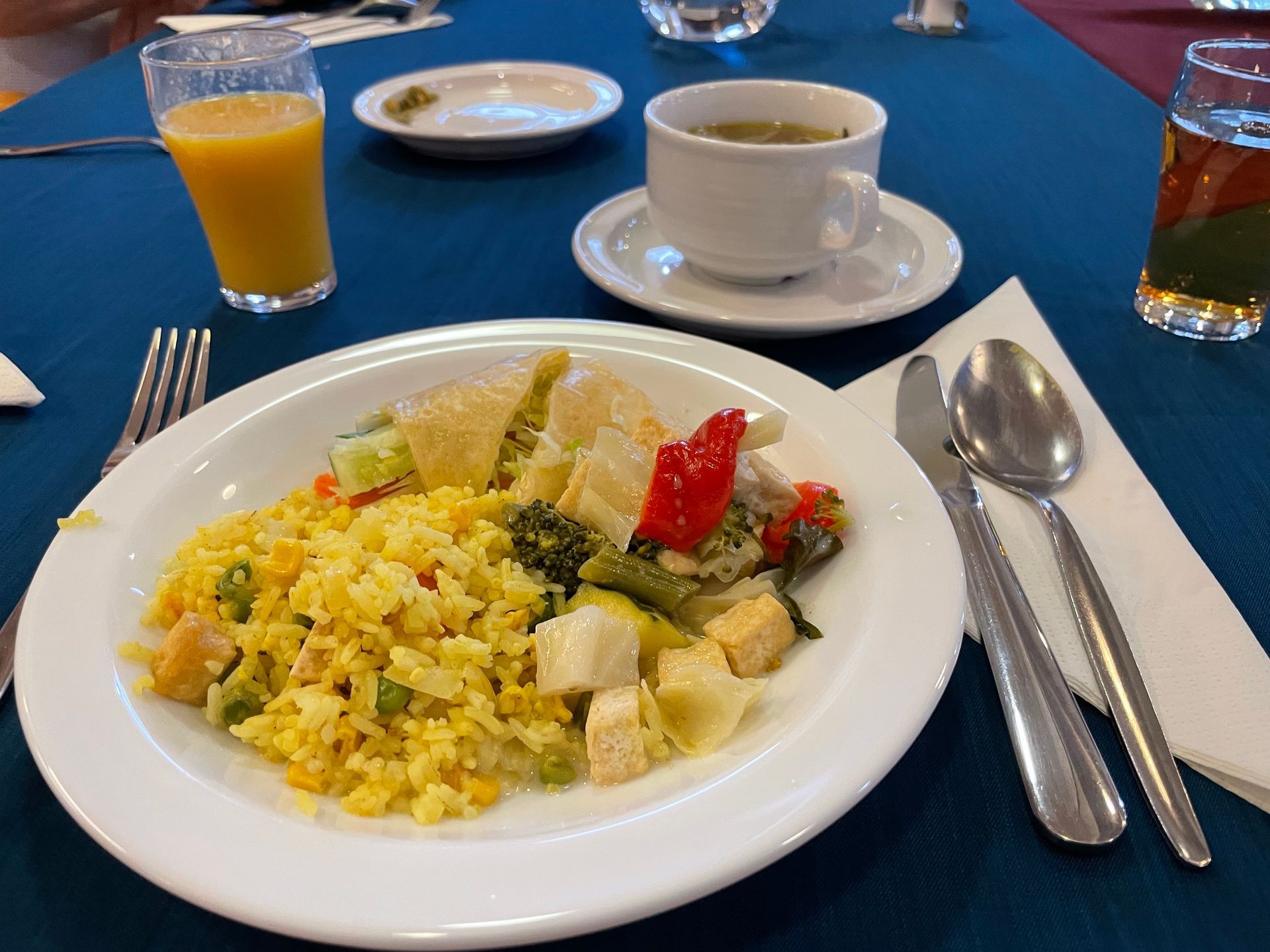
Two members of our group attended the community dinner in Lunetten. These dinners bring residents together to share a meal and connect with one another, while also allowing people to take home leftovers and reduce food waste. During the dinner, we spoke with several residents about the neighbourhood and their food habits.
Finally, during the brainstorming session on Thursday, groups exchanged ideas and feedback on each other’s projects. We discussed gathering quantitative data to complement the qualitative data we’ve gathered. So far, we have found that the main barriers to sustainable eating are price, time constraints, and lack of information.
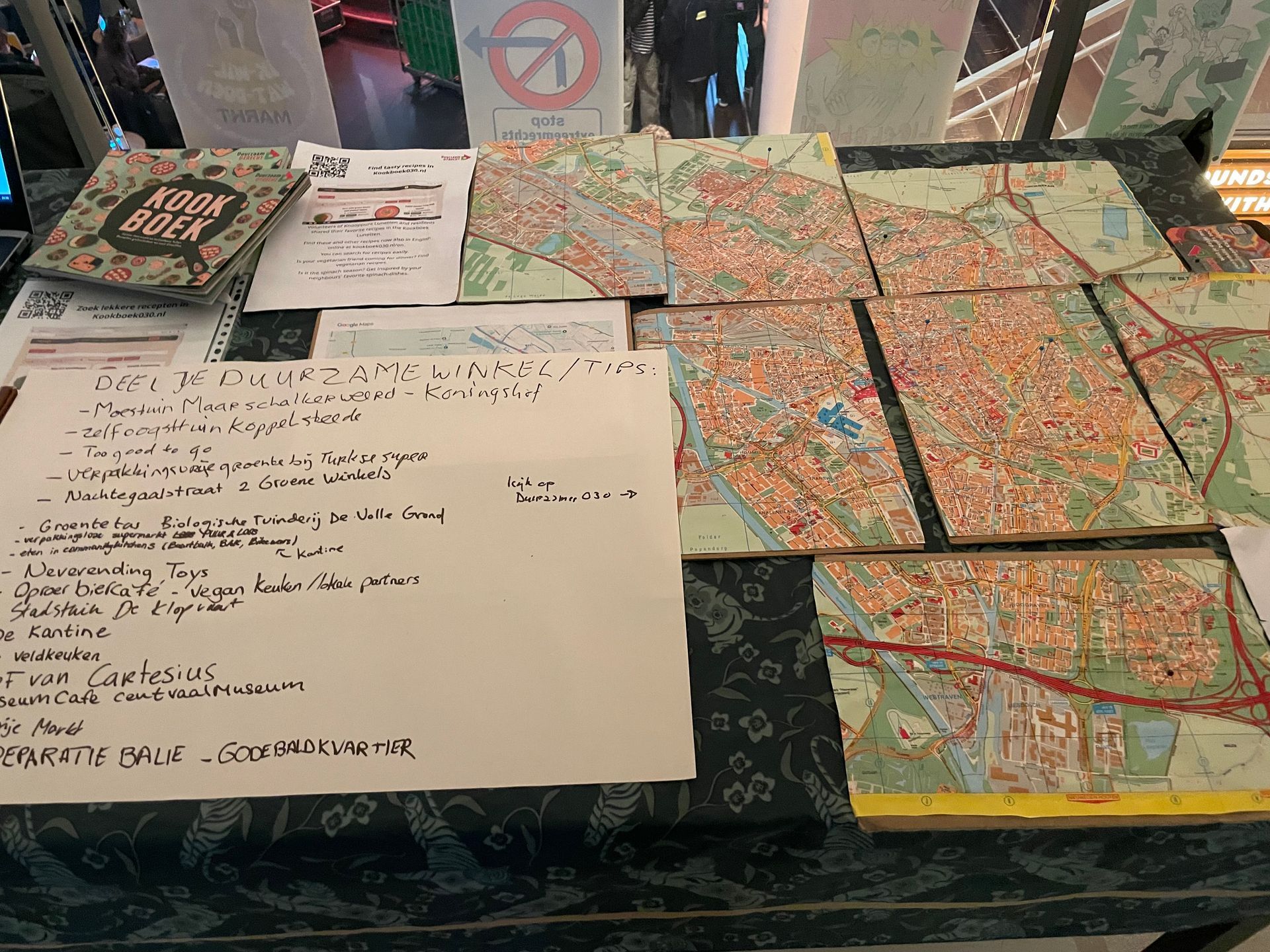
We considered focusing more on people who do not currently prioritize sustainability, as well as families who often face practical constraints when planning meals. We also explored how we could complement the website project by including an introduction explaining the benefits of sustainable eating, followed by practical tools such as recipes and a map of local food resources.
A promising idea that emerged was organizing a skill-sharing workshop. This could be a one-time community event where residents—especially families—share cooking ideas and strategies for eating sustainably on a budget. The event could also introduce the community cookbook and encourage residents to contribute their own recipes and knowledge.
Our next steps will focus on engaging residents and turning these ideas into concrete actions that support sustainable and healthy eating in Lunetten, with the goal of creating something residents feel involved in rather than something designed for them from the outside.